Overview - Jebba Railway Bridge
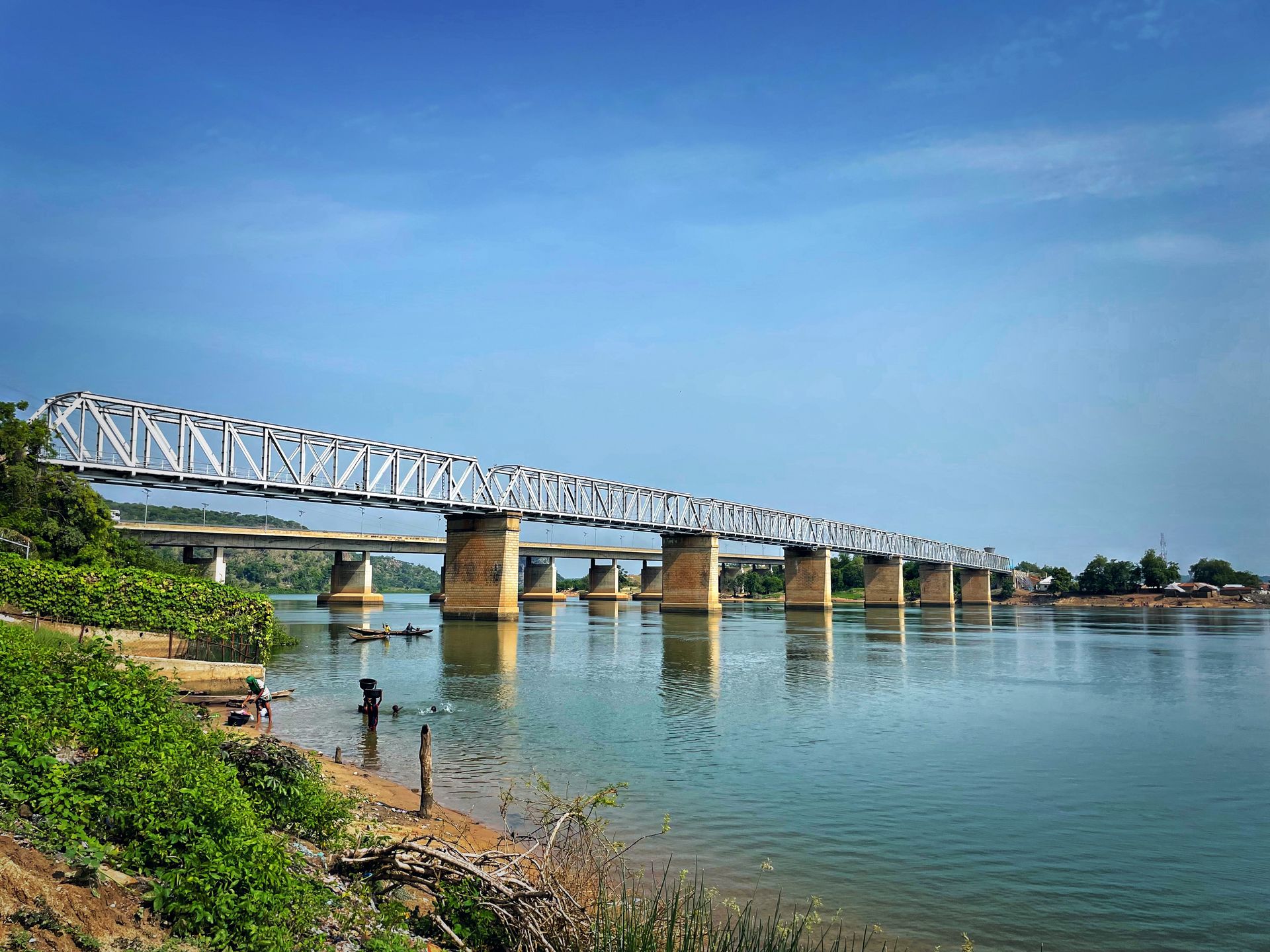
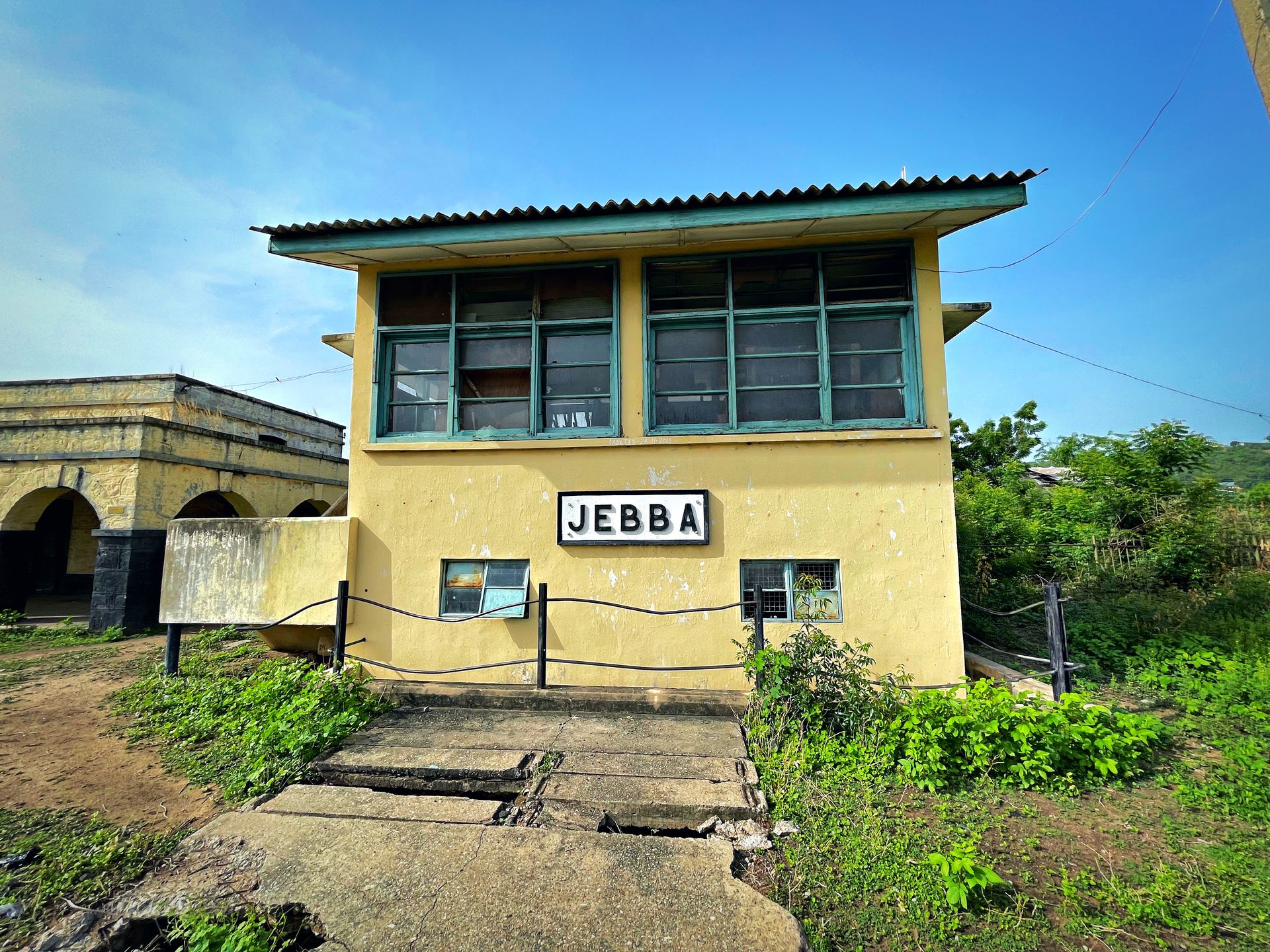
The Jebba Railway Bridge is a historic connection between the North and South. The bridge was built by the British colonial government.
Key Details
Construction Started: 1901
Construction Completed: 1916
Location: Jebba, Kwara State
Length: 660 feet
Type: Steel Bridge with Pratt Trusses; Concrete Piers (1)
8 October 2026
Note on the Historic Bridge
From a bird's eye view, the Jebba, in Kwara State sits on both sides of the Niger River. In the middle of the river, at that location is Jebba Island. Today, the obvious way to make your way through the area is simply via the Jebba-Mokwa Roadway that conveniently gets you from across both sides of the city. However, there is a historical railway bridge that sits across Jebba Island and the southern banks of the Niger River.
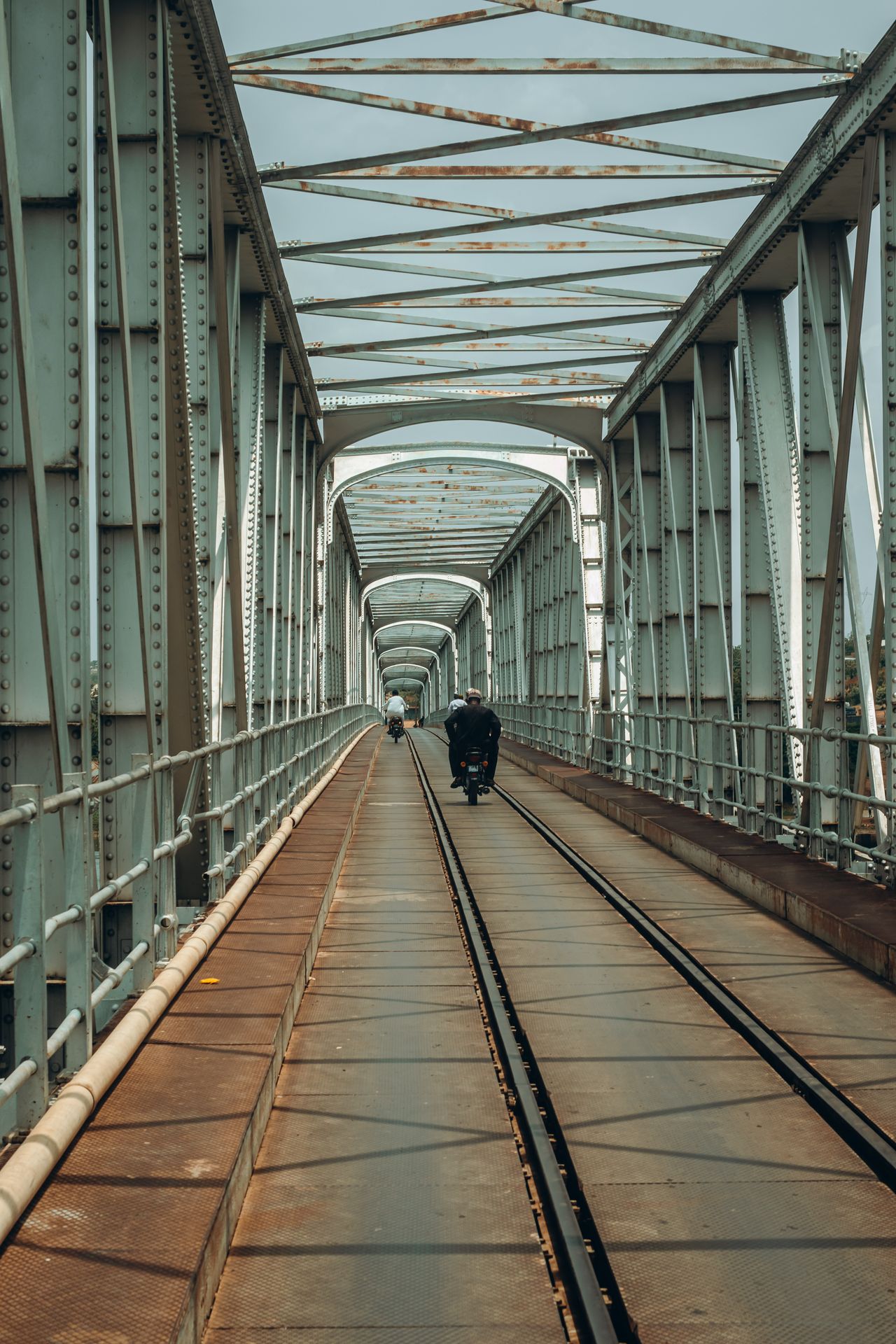
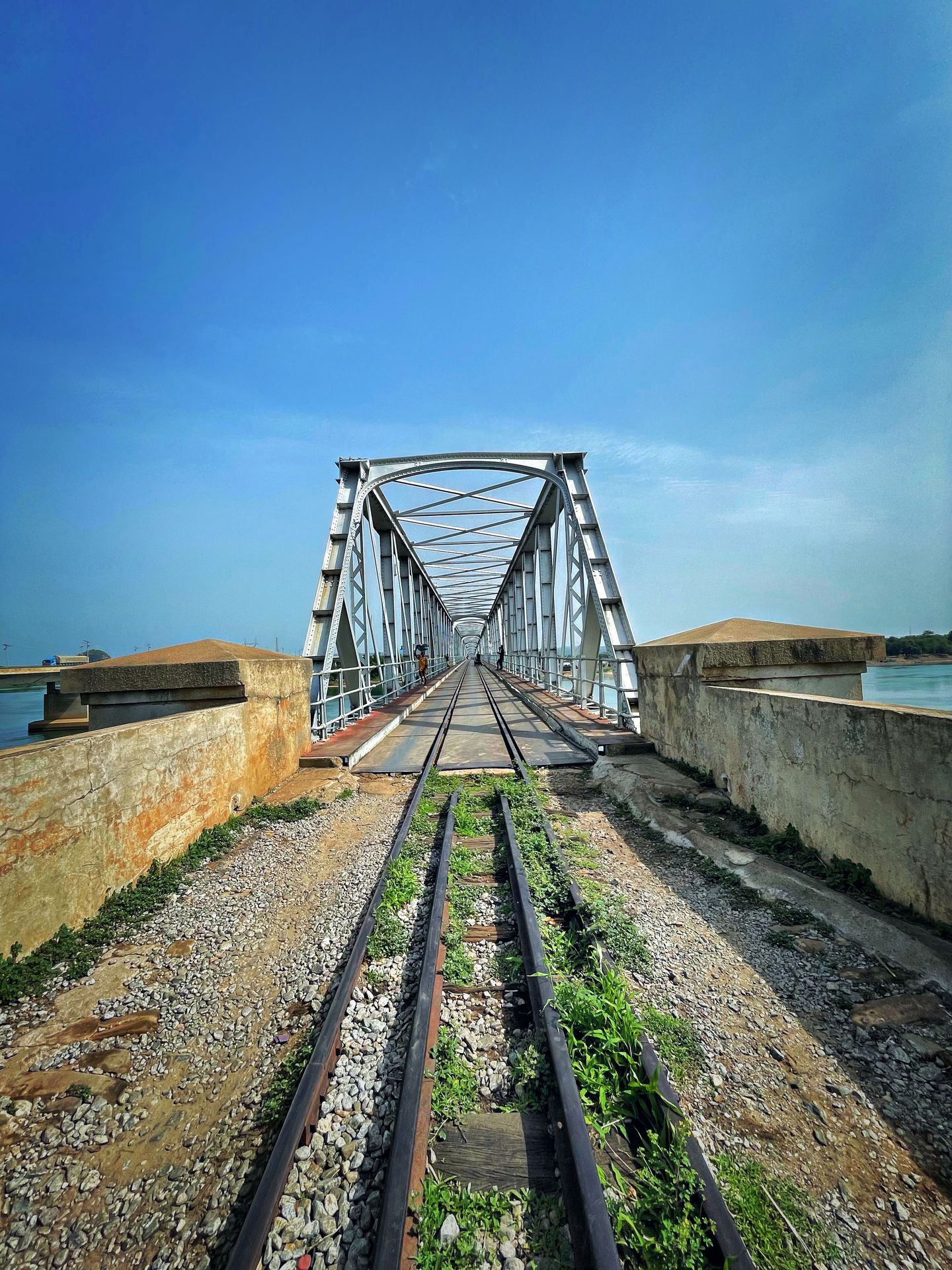
The Jebba Railway bridge was built by the British Colonial Government in 1916. Constructon was started in 1901. The colonial governement justified the construction in order to more easily transport agriculutural products from Northern Nigeria to the ports in the East. The spans of the bridge are built of steel truss girders. There are concrete piers that support the weight into the Niger River. Additionally, the bridge has concrete arches at the shores.
9 October 2026
Jebba's Trusses
From the images, you will notice that the truss bridge uses the Pratt design. In this version of a truss, the webs are generally moving outwards from the bottom chord to the top chord. This is the opposite motion to the Howe truss design in which the webs starting from the top chord, connect outwardly to the bottom chord diagonally.
The reasoning behind this version is due to the compression characteristics of steel. As different materials became available, truss design changed depending on if wood, iron, or steel was utilized.
17 October 2026
References
8 October 2026